
Network Topologies
why network design matters...

A network topology is a defined way for devices to connect in a network, either physically or logically. The following is a list of possible network topologies:
bus
ring
star (hub and spoke)
hybrid
mesh
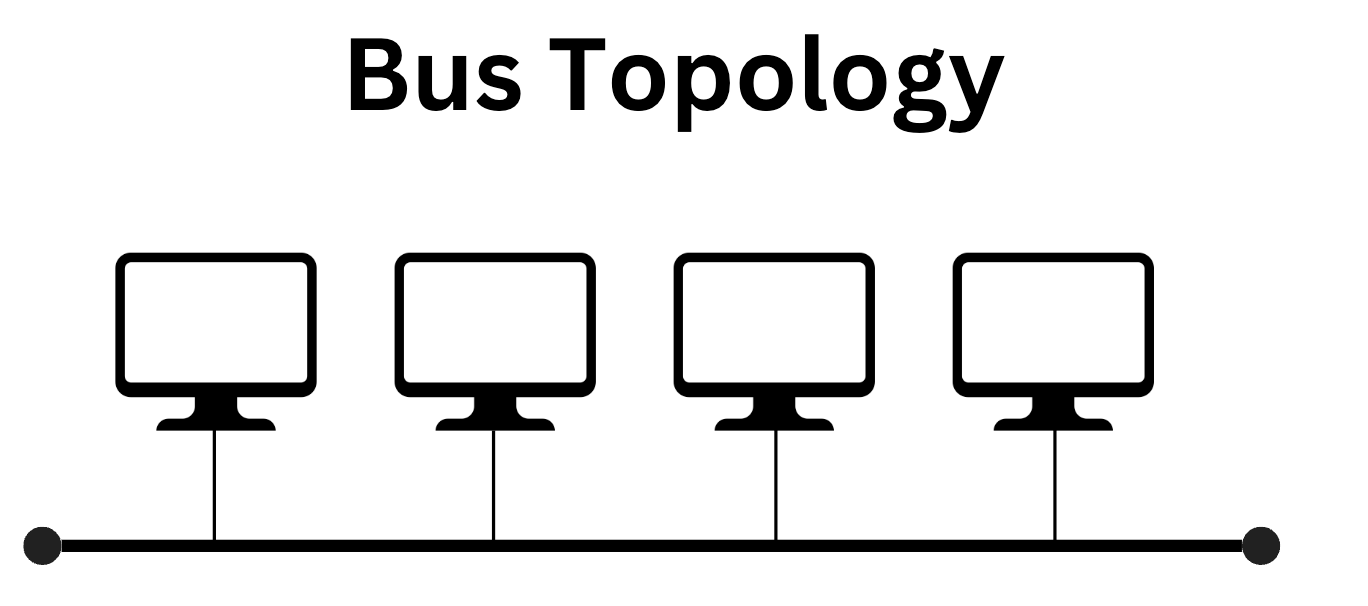
A bus topology uses a single cable connecting all devices in a line. Data from each computer goes onto the whole bus to all devices. The bus had to be terminated on each end of the line to make sure the signal didn’t reflect back and take down the network. Bus topologies were used in coax networks with 10base5. Bus topologies were cost-effective and simple to deploy but offered limited scalability and failed easily. This topology is no longer used.
A ring topology also used a single cable, but the devices formed a ring instead of a line. Data in a ring topology flowed in a circle from one computer to the next in one direction. A token was used to let the device know when it could talk. A ring topology was more reliable than a bus topology, but the entire network would still fail if any one device failed. This topology is no longer used.
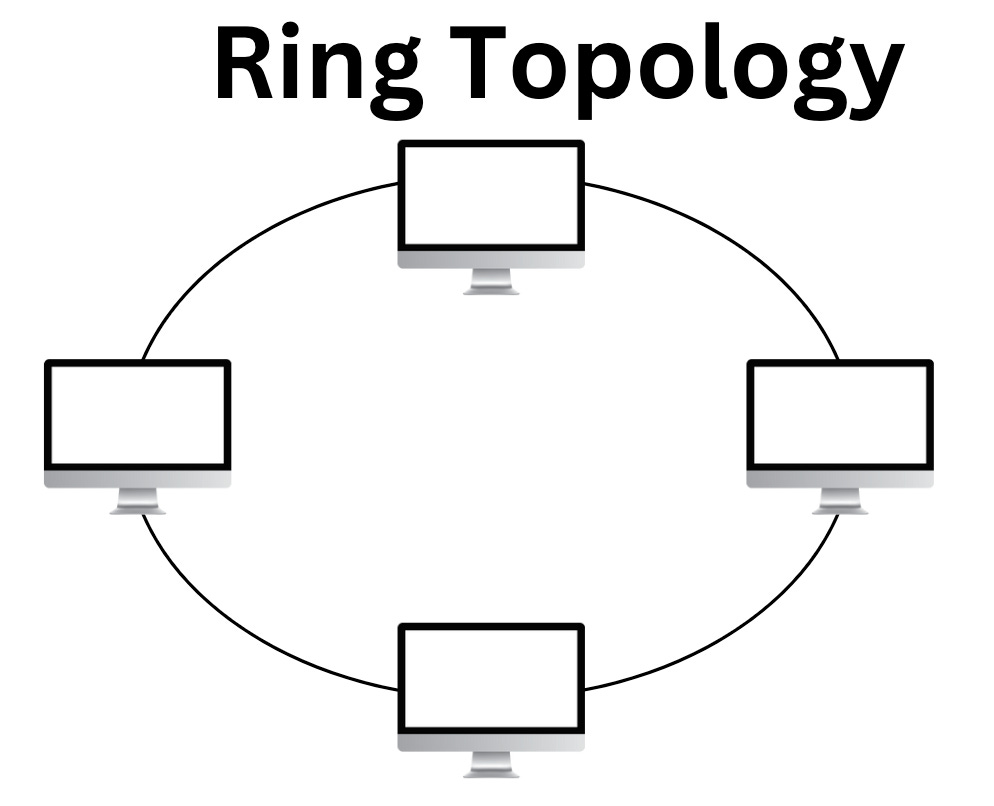
The most significant limitation in both the bus and ring topologies was that a cable or device failure at any point could take down the entire network.
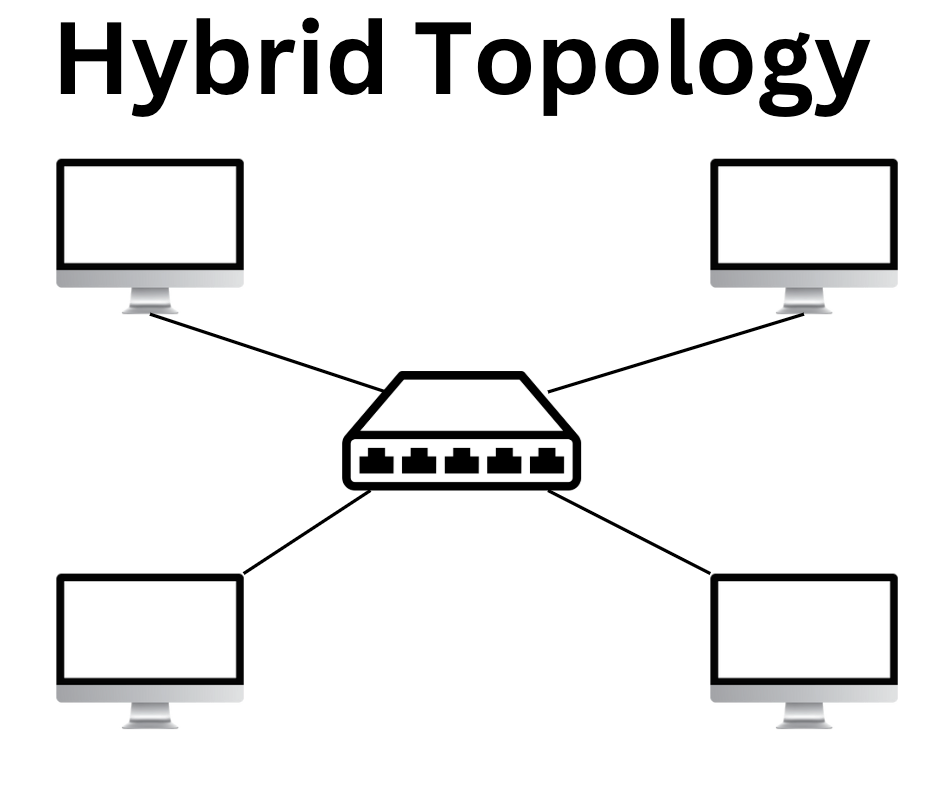
A star topology uses a central connection box where all devices are plugged in for access. The most significant advantage of the star topology over the bus and ring topologies was the addition of some fault tolerance. A single cable break only affected the device using the faulty cable, while all other devices continued to have access to the network. Star topologies still have a single point of failure at the central device, usually a hub. If the hub failed, the entire network was affected. This topology, in its original state, is no longer used.

A hybrid topology is similar to a star topology but includes more advanced signaling and intelligent devices. Any form of networking technology that combines physical layout and logical signaling is called a hybrid. There were both star-bus and star-ring topologies, but eventually, star-bus became the standard for most wired network topologies. Enterprise networks today are typically deployed as a hybrid topology using intelligent network switches.
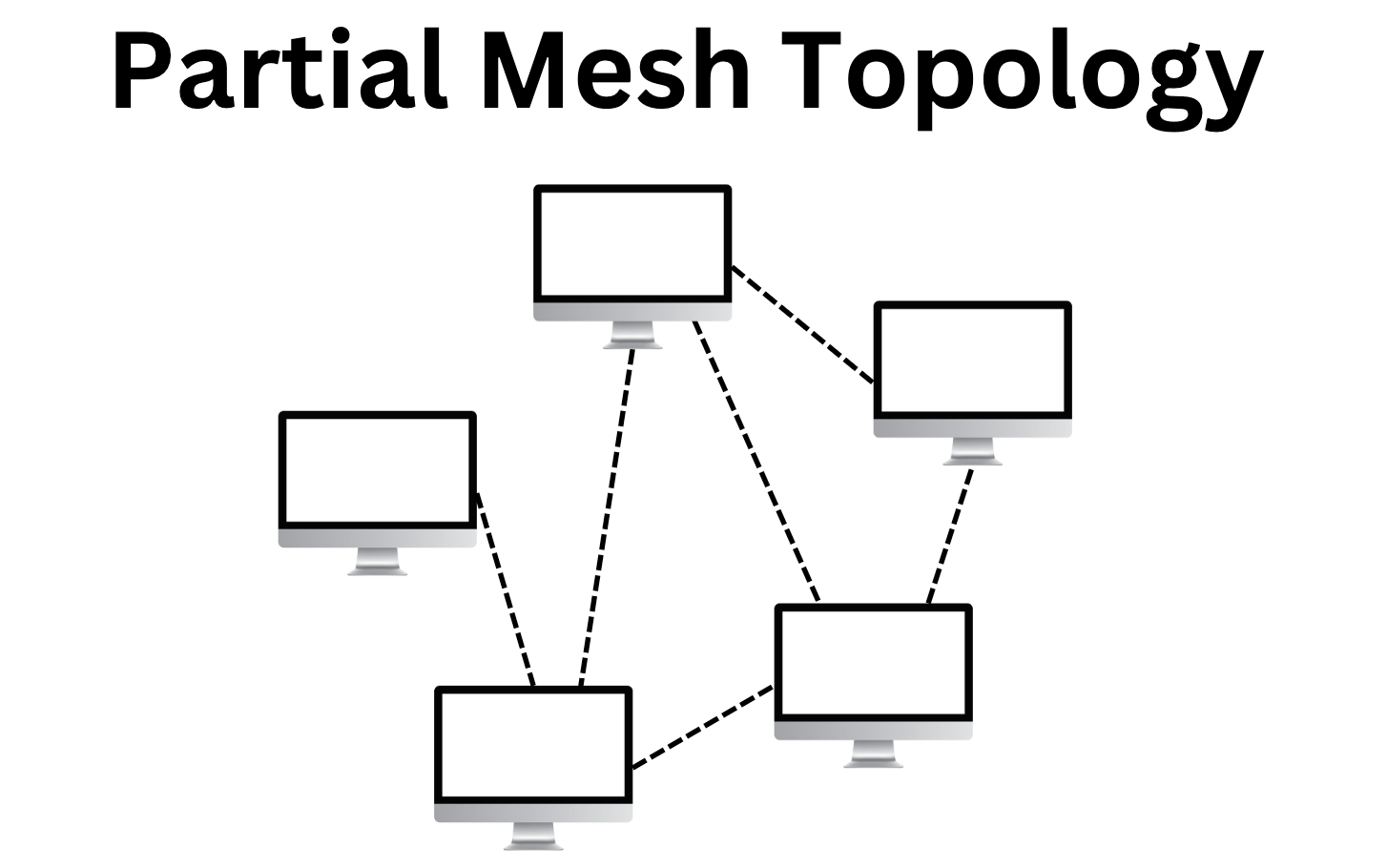
A mesh topology is common in RF-based networks where wireless devices connect to one another. I use an Eero wireless mesh system for my home network. I learned not to mix my lab environment with my home network long ago. Four teenagers are already hard enough to keep happy. I don’t want to get between them and the internet. :)
There are two types of mesh networks:
partially meshed
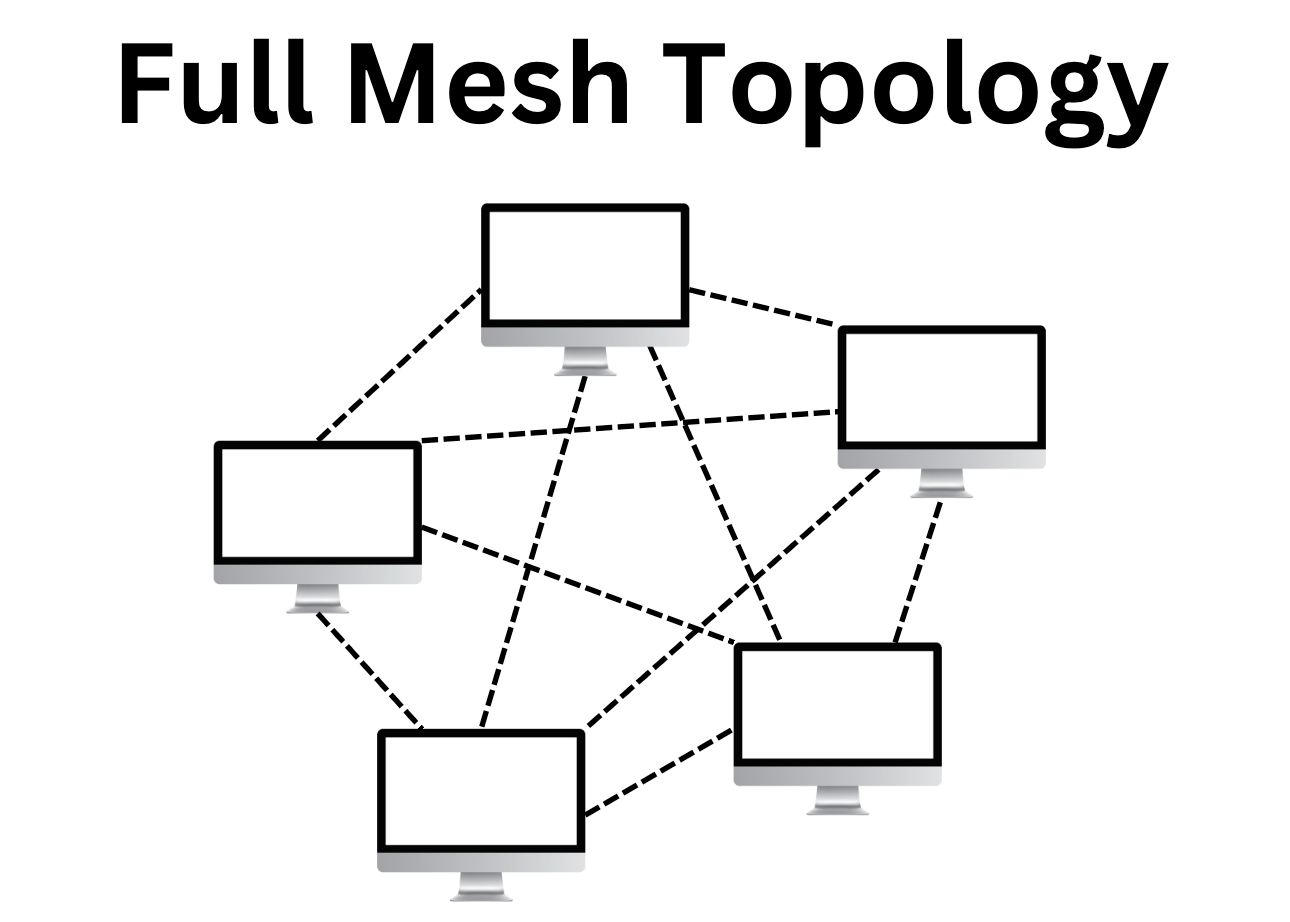
fully meshed
Just as the names sound, partially meshed means each device has redundant connections but is not connected to every device. A fully meshed topology indicates that every device is connected to every other device.
Most of these topologies are relics of the past, but it is good to understand the past to understand how we’ve landed on the technologies of today.
I realize this isn’t as deep as some would like me to go, but I promise I will get there. Eventually, I will get around to 2 tier vs 3 tier architectures and dive into spine-leaf. I’m trying to share the basics first to meet the Campus Access Associate objectives and then build up to more advanced topics. I’m finding it much more challenging to write about the basics versus doing a deep dive into topics that I’m passionate about but I’m committed to pushing through.
Facts to remember:
Understand each of the topologies: bus, ring, star, hybrid, mesh